Medieval Belgrade Tour
Kosancicev Venac, Belgrade
Learn more about the achievements of the Serbian Golden Middle Ages Uncover the historical and architectural gems of Medieval Belgrade Feel the spirit of the Middle Ages in an authentic environment
Highlights
- Discover the everyday life of both rulers and ordinary people in Middle Ages
- Explore the architectural and historical landmarks of medieval Belgrade
- See why Despot Stefan chose this place as his capital residential city
- Get essential hints on city navigation and tips for a more comfortable stay
Description
The fortress above the confluence of the Sava and Danube rivers has a history that stretches back to the Romans. Throughout the early Middle Ages, the same site saw the construction of cities by the Greeks and Bulgarians. However, our tour will focus on the late Middle Ages, specifically during the reign of Despot Stefan Lazarević. In his own words, “And coming, I found the most beautiful place from ancient times, the great city of Belgrade, which by chance was ruined and desolate. I built it up again and dedicated it to the Holy Mother of God.” These words from Saint Despot Stefan Lazarević’s charter about the reconstruction of Belgrade describe the city’s “rebirth.”
With his wise and skilled policy, Despot Stefan received Belgrade as a gift from the Hungarians and made it the capital of Serbia, thereby reviving a city that had been neglected since its destruction by the Hungarians after King Dragutin, who first received it as a gift in 1284, ruled it.
Our walking Belgrade tour begins at Republic Square, in front of the statue of Prince Mihailo, at 10:00. After discussing Belgrade’s medieval era, we continue our tour along Knez Mihailova Street to the Cathedral Church, built on the foundations of a medieval church. We proceed across Kosančićev Venac, once the city’s oldest civilian part, toward today’s Belgrade Port (rebuilt on the site of the medieval city port) to first visit the lower town. Here, we will have the opportunity to see the only preserved remains of a medieval church with parts of the metropolitan court from the once 16 city churches.
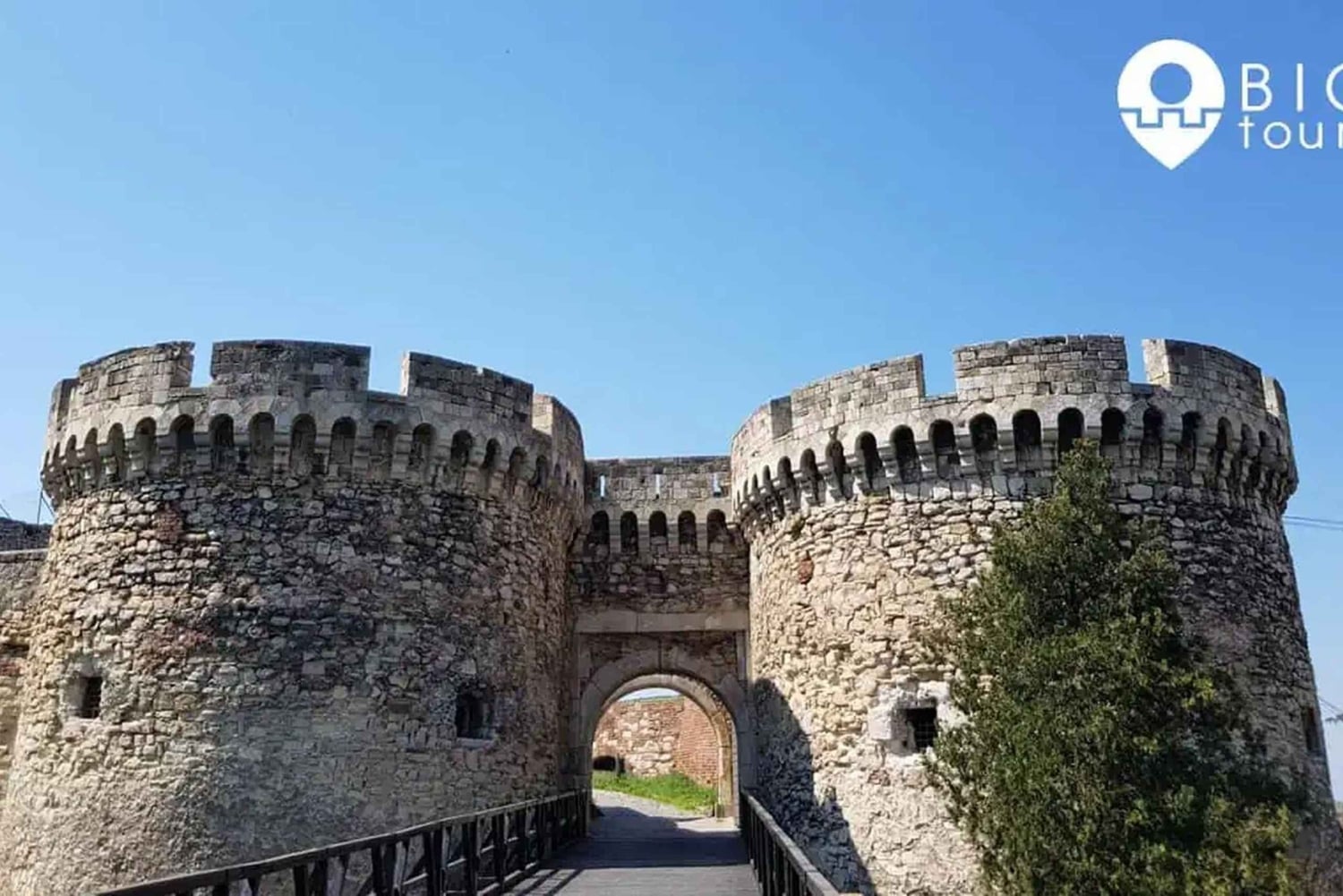
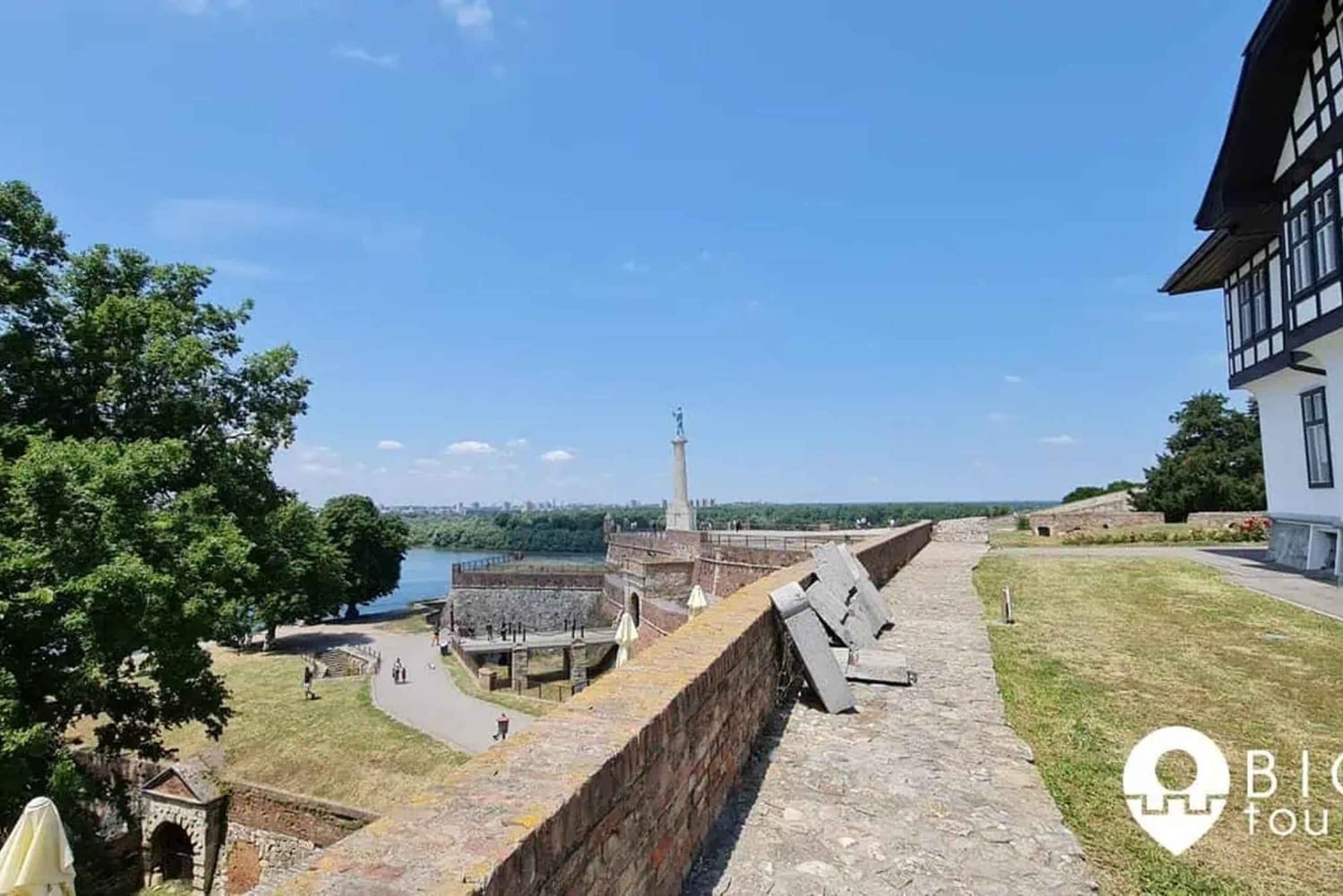
We’ll also pass by newer churches, including Saint Petka and Ružica Church, each associated with fascinating stories. The tour then continues through Despot’s Gate to the upper town, where we’ll pause in front of the modern monument to this highly significant ruler.
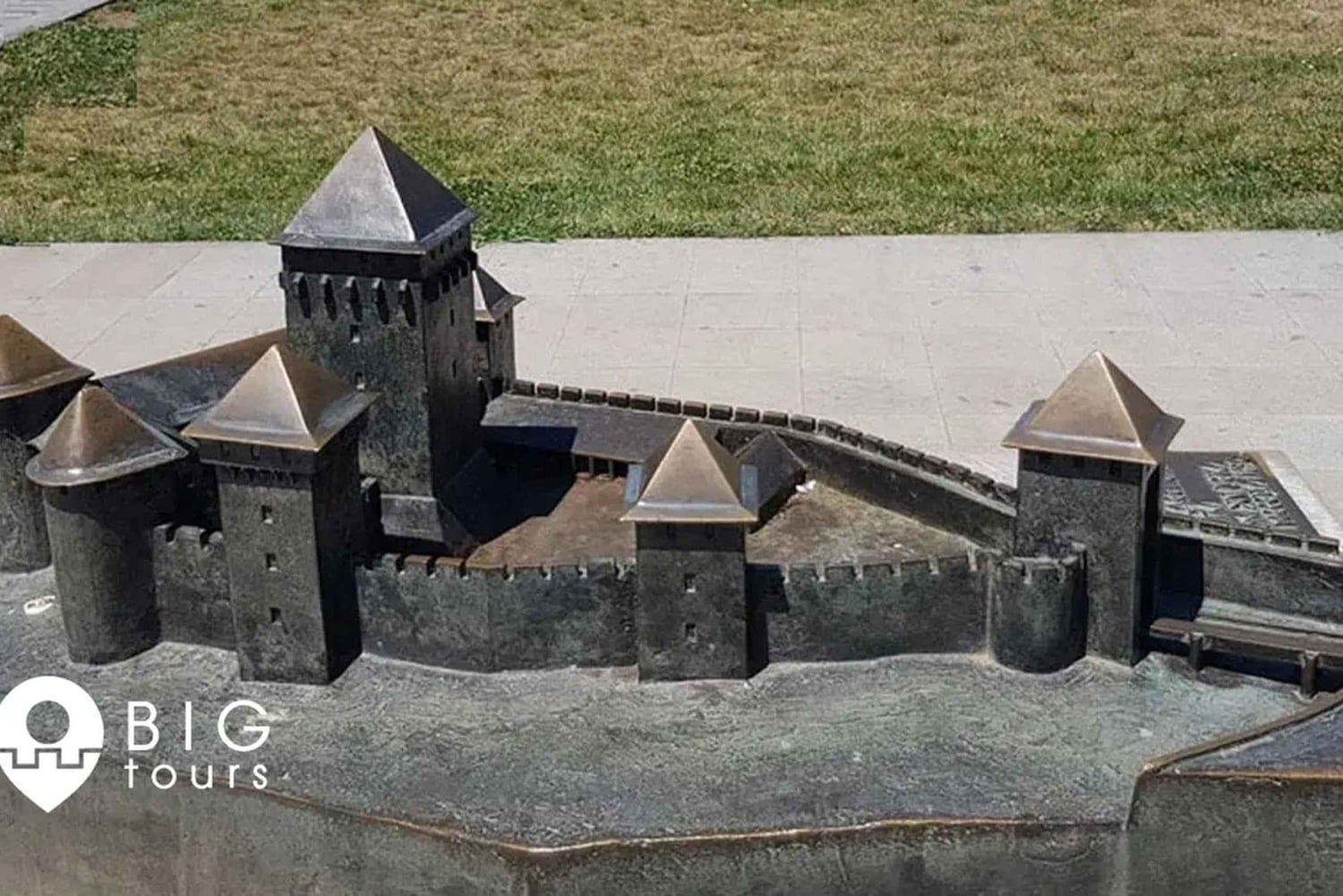
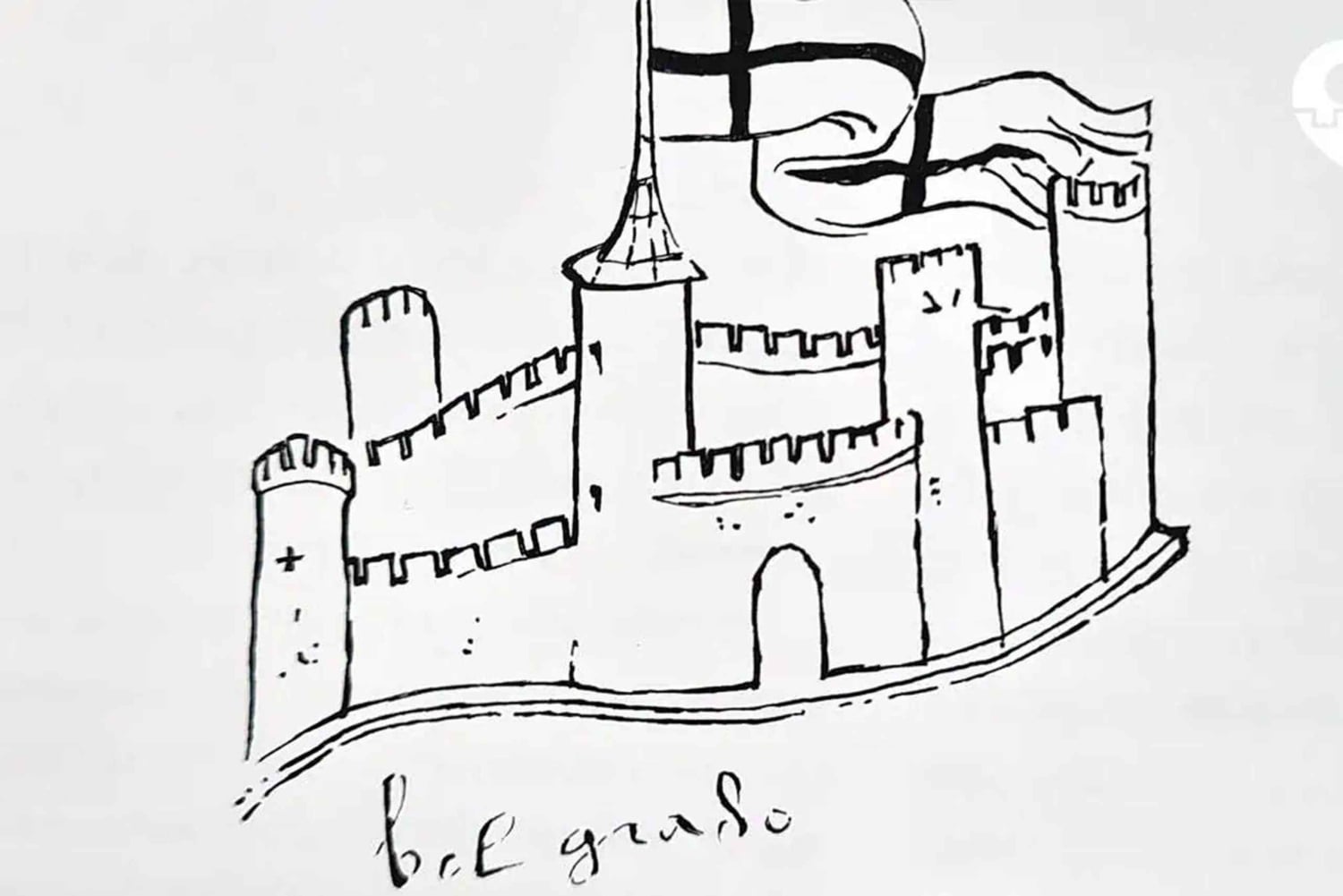
Due to frequent threats and attacks from the Ottomans from the east, Despot Stefan moved his seat north and revitalized Belgrade, proclaiming it the Serbian capital. The previously deserted city was given new splendor. Upon acquiring the city (1402), Stefan first refurbished the old fortifications, towers, and ramparts, then built the Upper Town as a formidable entity. We’ll have the chance to see a model of this fortress with Despot’s castle.
Thanks to Despot’s privileges, the city rapidly expanded, and the population significantly increased. Here, your tour guide will share insights into the life of both the rulers and ordinary people in medieval Belgrade.
After exploring the Upper Town and its significant sites, we return via Knez Mihailova Street to Republic Square, where our “Medieval Belgrade Tour” concludes. With us, you’ll get a chance to explore the architectural and historical landmarks of medieval Belgrade and have a peek into the everyday lives and the broader societal context of this pivotal period in the city’s past!
Includes
- Hotel pick-up and drop-off (hotel city center - walking distance)
- Professional, local Serbian archaeologist and licenced English-speaking guide
- Bottle of water per person
Excludes
- Food and drinks
- Gratuities (optional)
Easy cancellation
Cancel up to 24 hours in advance for a full refund