Austrian Belgrade tour
Stari Grad, Belgrade, Belgrade
Our Austrian Heritage tour explores Belgrade’s transformation during Austrian rule, transitioning from an Oriental ambiance to a European cityscape, highlighting the blend of cultural influences.
Highlights
- Explore Belgrade’s Austro-Hungarian heritage
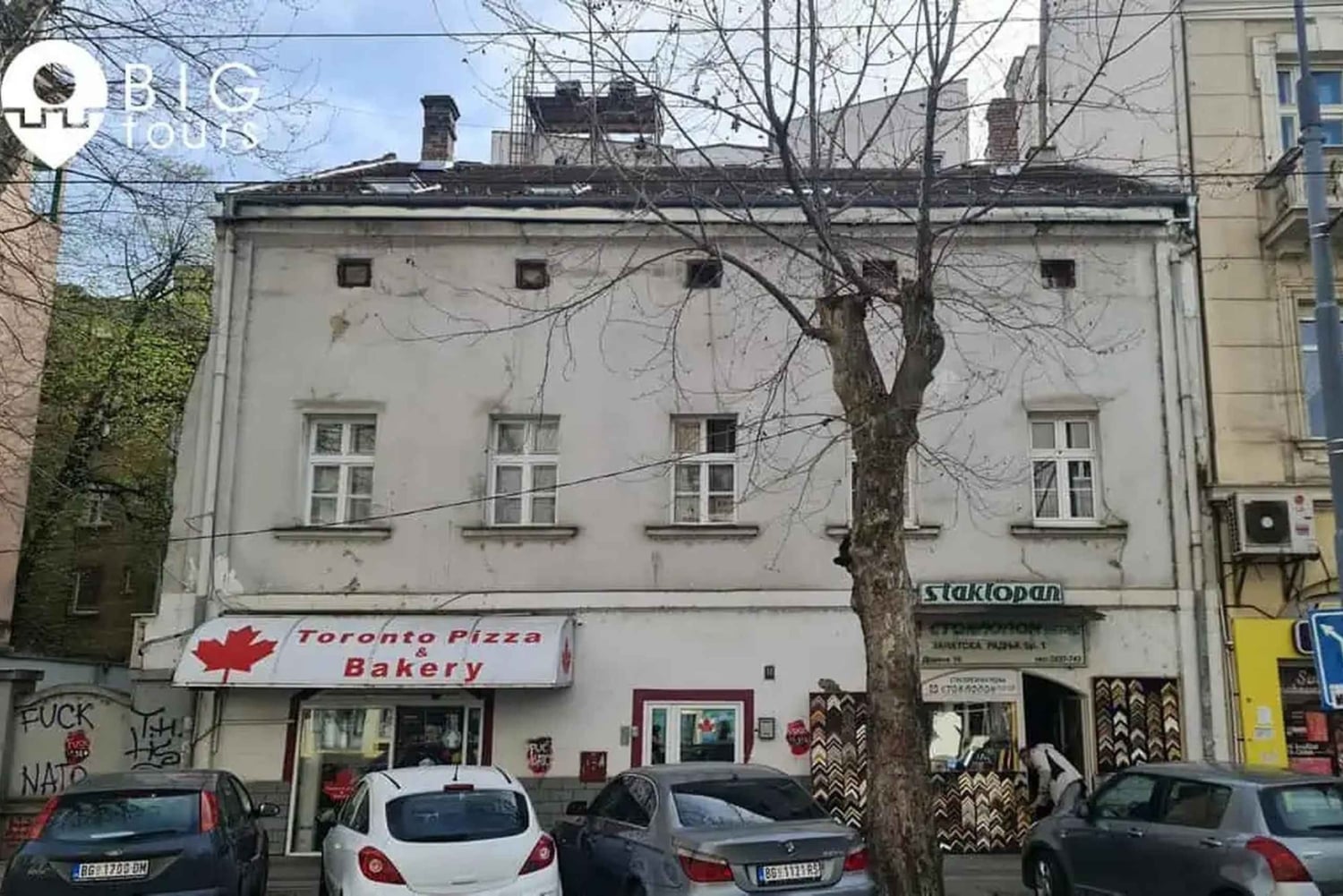
- Hear the story about the mysterious past of the oldest house in Belgrade
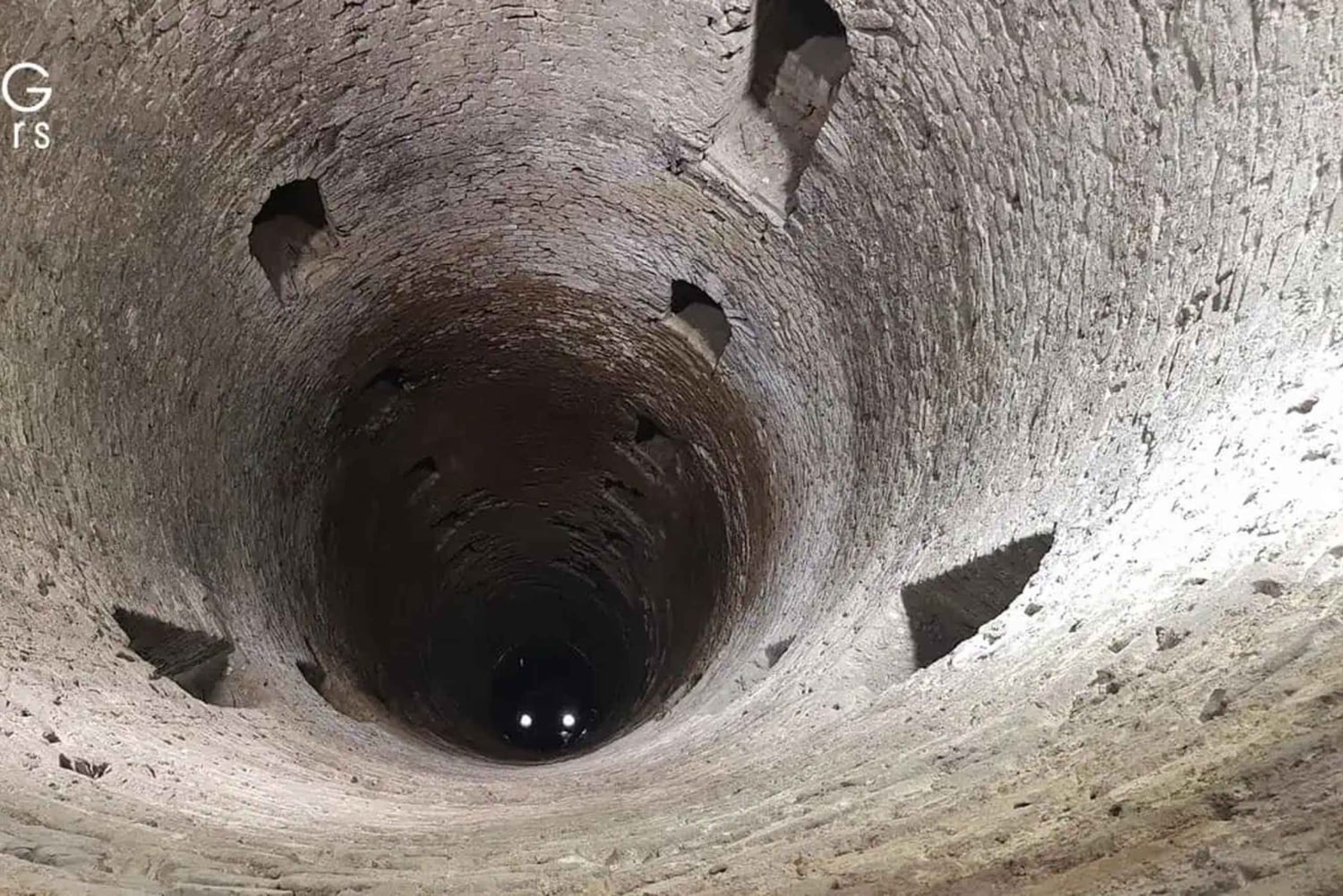
- Experience a journey through time and multi-layered identity at the Roman Well
Description
Following the fall of Belgrade under Turkish dominion in 1521, the city transitioned into a border zone between the Ottoman Empire and the Austro-Hungarian Empire, adopting the characteristics of an Oriental town. The absolute Turkish dominion persisted until the Turkish defeat near Vienna in 1688, after which the city briefly came under Austrian control. It was not until 1717, under the leadership of Prince Eugene of Savoy, that the Austrians firmly took control of Belgrade, governing it until 1739.
This period of Austrian rule marked a true transformation for Belgrade, as it shed its Ottoman-Eastern characteristics to adopt the features of a Central European city. Beyond the fortifications, new buildings were erected, trade was revitalized, and the city saw an influx of Hungarians, Germans, French, Czechs, and others. The alternating rule of Turks and Austrians over Belgrade brought many destructions but also left a profound impact on the population and the life of the city itself. The Austrian influence, especially in architecture and culture, was significant, and this tour offers a chance to experience this legacy firsthand.
Our Austrian heritage tour starts at Republic Square, in front of the statue of Prince Mihailo at 10:30, where we’ll learn about his close connections with Vienna. From there, we’ll walk through “French Street” to visit Belgrade’s oldest house in Belgrade, in Tsar Dusan Street. Built between 1724 and 1727 during Austrian rule, this Baroque building has a mysterious past linked to its constructor, which will be explored in further detail.
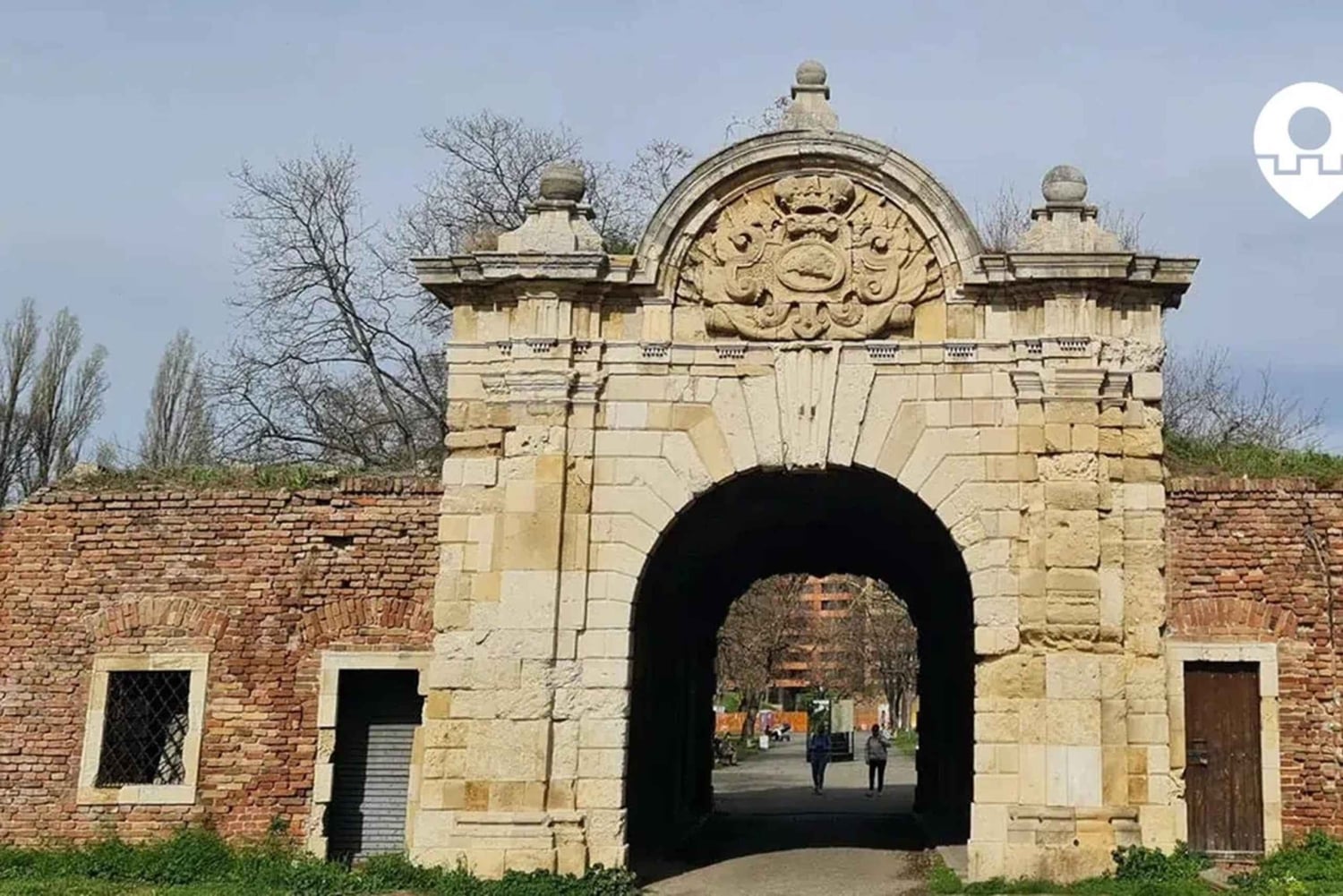
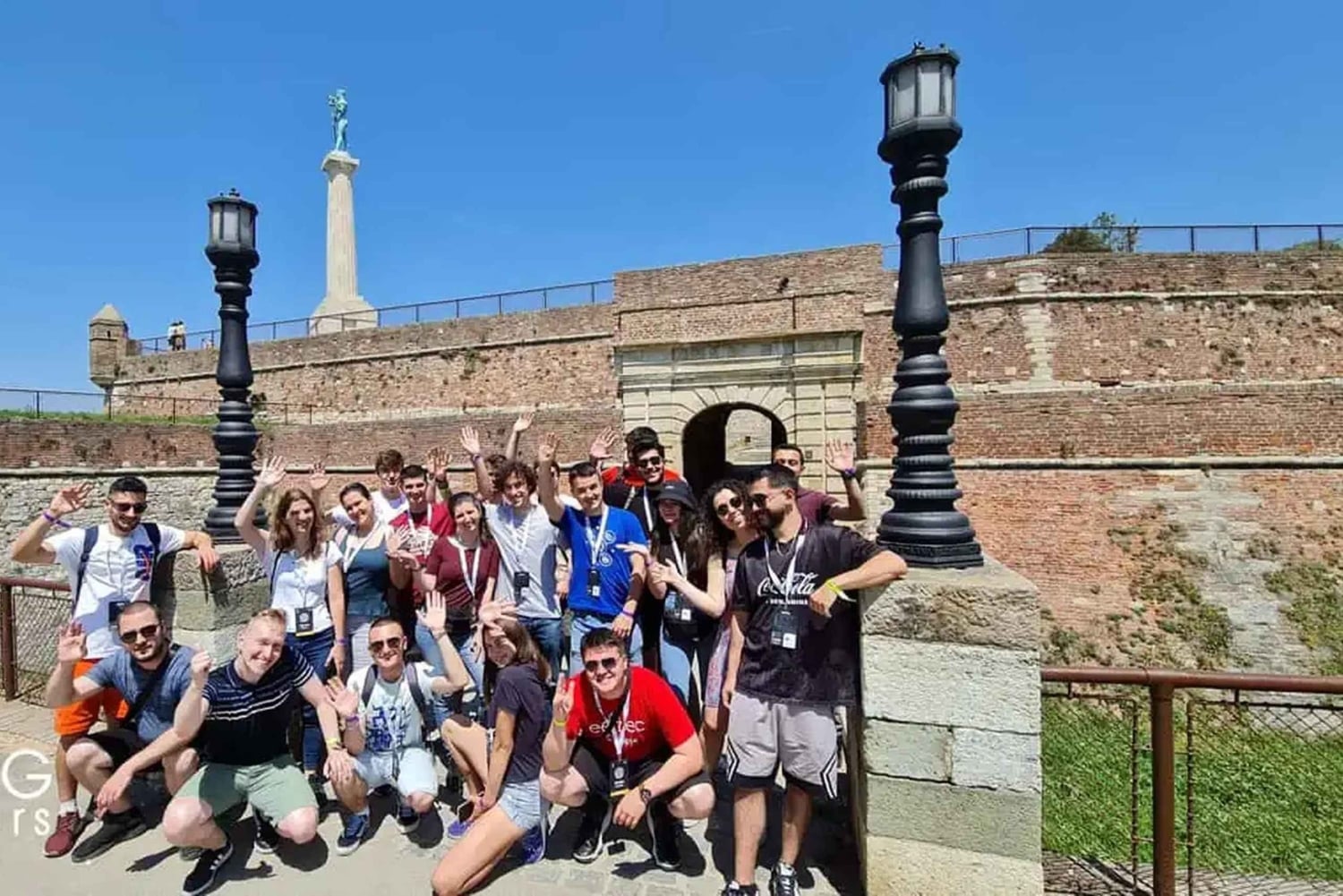
Continuing along Dubrovnik Street, past the Belgrade Zoo, we approach the Lower Town’s entrance, specifically the Charles VI Gate, named in memory of the Austrian Emperor Charles VI under whose reign the city again fell into Habsburg hands. The gate forms part of the medieval northeastern rampart of the Lower Town and leads us to the Powder Magazine or Great Gunpowder Warehouse, constructed by the Austrians immediately after Prince Eugene of Savoy’s conquest of Belgrade and fortified with strong ramparts.
Today, the Powder Magazine serves as a unique museum (Lapidarium) housing Roman epigraphic and anepigraphic monuments that testify to the local population, social hierarchy, cults, and the distribution of military units in what is now Serbia. After visiting the Powder Magazine, we ascend to the Upper City plateau. Before reaching the Victor monument, we’ll visit the so-called Roman Well, also built by the Austrians, followed by stories about this well and the city’s main symbol, the naked man facing west.
Our walk then leads us to the Monument of Gratitude to France, and from there, back along Knez Mihailova Street to Republic Square, concluding our exploration of Austrian Belgrade.
Explore Belgrade’s Austro-Hungarian heritage: from its oldest house to the Victor monument, uncover the city’s European transformation. Join our tour to experience this legacy firsthand.
Includes
- Hotel pick-up and drop-off (hotel city center - walking distance)
- Professional, local Serbian archaeologist and licensed English-speaking guide
Excludes
- Meals
- Individual expenses
- Gratuities (optional)
Important Information
- Part of the tour also includes the steep ascent from the Lower Town to the Upper Town of the Belgrade Fortress
- Entering a Roman Well can cause discomfort for people with claustrophobia
Easy cancellation
Cancel up to 24 hours in advance for a full refund